Branding is exactly what you think it is. That's the problem.

Catherine Hamilton
Logo ☑️ Colors ☑️ Font ☑️ Done...Right?!
That's how most people think about branding. And technically, they're not wrong. But somewhere between Canva templates and $50 Fiverr logos, we convinced ourselves that branding is a visual checklist. It's not. It never was. And the gap between a brand that looks right and a brand that feels right is where most businesses lose the plot.
We made it too easy to fake it (or figure it out later…)
Disclaimer: I'm not anti-Canva. Use what you have.
But access to design tools didn't democratize branding. It democratized the appearance of branding. A template with your colors on it looks like a brand. It doesn't feel like one. Here's what I mean.
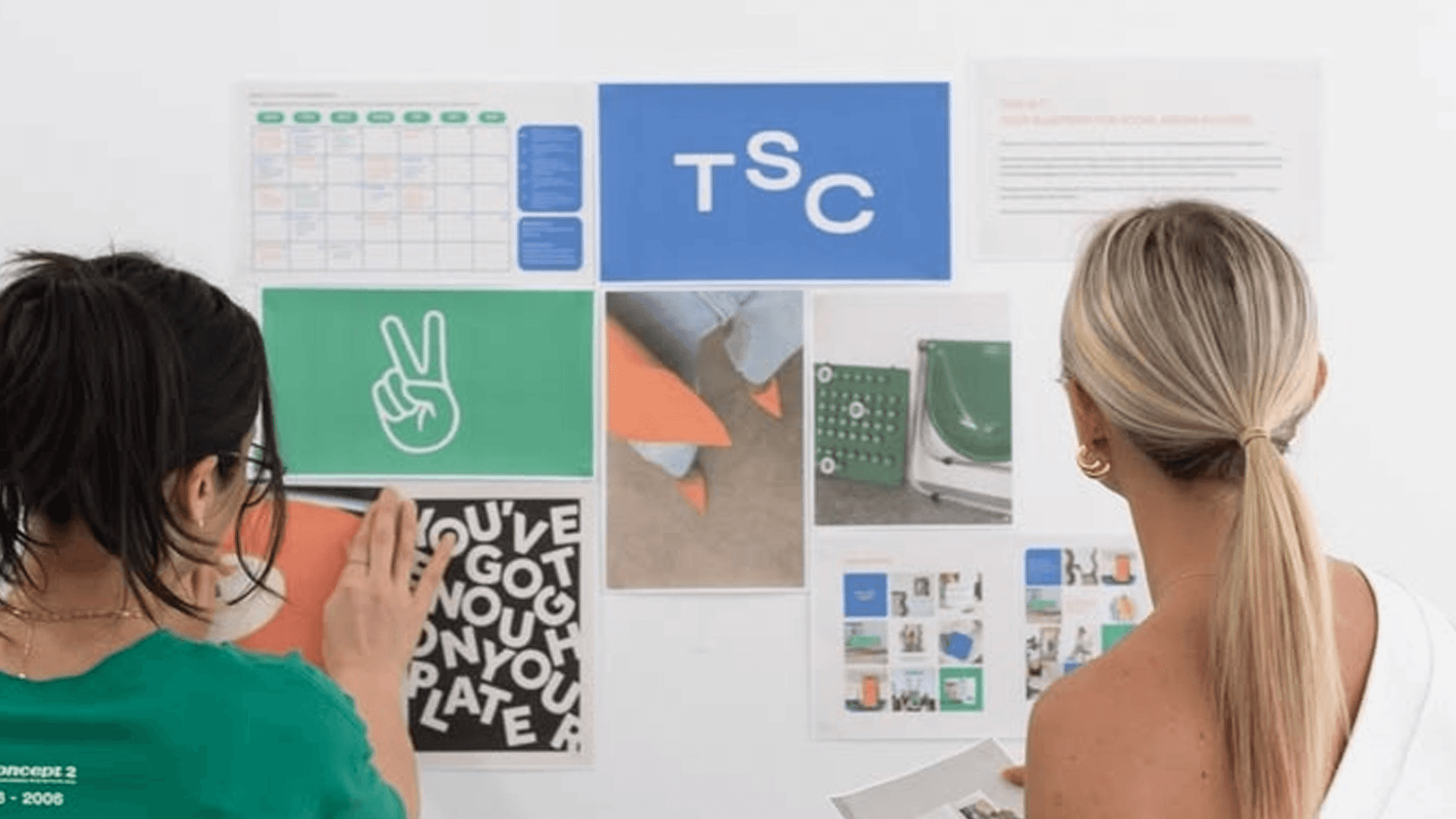
I worked with a nonprofit that had a beautiful logo, a polished color palette, and brand guidelines that lived in a 40-page PDF. On paper, the brand was solid. In practice, every department was producing materials that looked like they came from different organizations. The social team was using one tone. The events team was using another. The executive team was making decks in a template from 2019. The assets existed. The system didn't. And that's the difference between having a brand and performing one. The visual checklist gives you the performance. The feeling requires something deeper: a shared understanding of what the brand is trying to say and the emotions evoked when people encounter it. That takes conversation, alignment, and time.None of which come in a template, straight out the box.
Branding is a human experience
The best brands I've touched weren't built in Illustrator or Photoshop. They were built in a conversation about what someone should feel before they read a single word. Then the design made that feeling unavoidable.
I spent over a decade designing for one client. In the early years, we talked about logos and layouts. By year five, we were talking about what the audience needs to believe about themselves when they encounter the brand. That shift, from "what does this look like" to "what does this make people feel," is the entire game. When we reduce branding to assets on a checklist, we skip that conversation. We go straight to the output and wonder why it doesn't resonate. It doesn't resonate because nobody defined the feeling. The logo is fine. The experience is empty.
The part nobody wants to hear
Your brand isn't flat because the logo is wrong. It's flat because nobody stopped long enough to understand what the audience needs to think and feel. That's not a design problem. That's a listening problem. We spend more time giving answers than asking questions.
No amount of gradients will fix it. The fix is boring: it's sitting in a room with the right people and asking uncomfortable questions. What are we actually saying? Who are we saying it to? What do they care about that has nothing to do with us? The answers to those questions are the brand. Everything else, the logo, the colors, the typography, is just the clothing the brand wears. Get the body right first. Then dress it.